The Soul of Skating: How Skates Have Evolved Over Time
MID-CENTURY
1/21/20262 min read
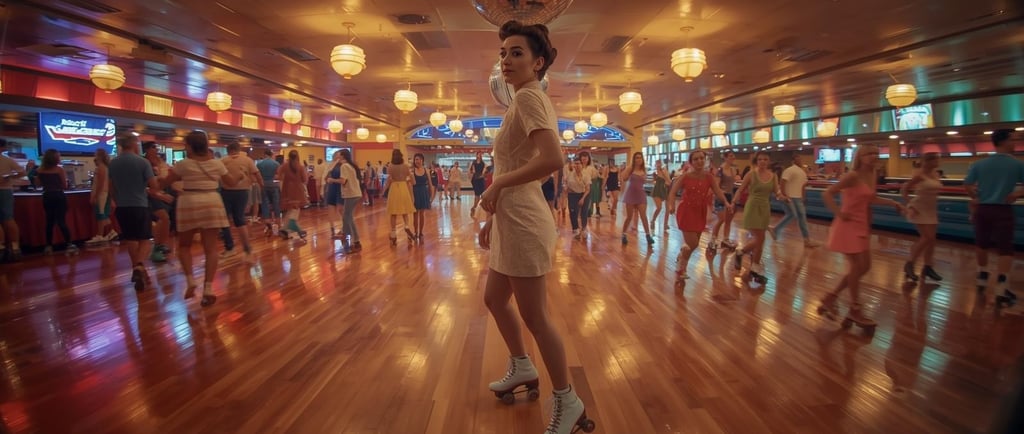
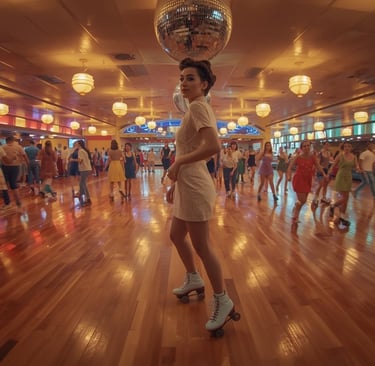
The Soul of Skating: A Mid-Century Reflection
Skates have always evolved—but the soul of skating stays the same.
In the mid-century era, skating was more than a pastime. Roller rinks were gathering places, music guided movement, and style mattered just as much as speed. Skaters didn’t rush. They flowed. Every lap around the rink felt intentional, rhythmic, and expressive.
1950s
The Chicago Roller Skate Company was the largest manufacturer of roller skates in the United States. Chicago Roller Skate Company led the way to an estimated 20 million Americans who were into roller skating at the time.
The company had around 200 employees and produced approximately 3,250 pairs of skates per day. Production was broken down into about 1,500 pairs of outdoor or sidewalk steel-wheel skates and roughly 1,000 pairs of roller rink skates. This total also included shoe skate outfits. (below-credit to Ilinoise State Museum)
Illinois State Museum
Roller skates from around 1950 made by the Chicago Roller Skate Company with maple wheels — typical mid-century style.
Each skate featured four wheels with various wheel diameters. Some wheels were still made from classic maple, and from my own experience at the rink, you could really hear those wheels rolling across a wood floor. Other materials used over time included steel, rubber, wood composites, plastic, and aluminum.
National Museum of American History roller skates.
Mid-century skating culture emphasized connection—between skater and floor, music and motion, individuality and community. The equipment was simpler, heavier, and slower by today’s standards, but the experience felt richer. Skating was about feeling the moment, not chasing performance metrics.
As decades passed, materials improved and designs modernized. Wheels rolled faster. Bearings became smoother. Skating moved from indoor rinks to streets, parks, and trails. Yet the core feeling—the freedom of motion and the quiet focus that comes with it—never disappeared.
Modern skating may look different, but it carries the same mid-century spirit. The same joy. The same escape. The same reason people lace up and roll forward, even when the world feels noisy.
Styles change. Technology evolves. But the soul of skating—rooted in mid-century rhythm and timeless movement—remains untouched. Written by: GregG sk8arcade.com
If the reel looks cropped on desktop, click the three dots in the bottom right of reel and choose “Picture-in-Picture” to view it full size.
Acknowledgments & Thanks
A sincere thank you to the Illinois State Museum and the National Museum of American History (Smithsonian Institution) for preserving and sharing historical artifacts and reference materials. Their collections provide valuable insight into mid-century skating culture and help us better understand how roller skates were designed, used, and enjoyed during the 1950s.

Email Contact: greg@sk8arcade.com
Pinterest: https://www.pinterest.com/sk8arcade/
Instagram: https://www.instagram.com/sk8arcade1/
Affiliate Disclosure: Sk8Arcade participates in affiliate marketing programs through CJ.com (Commission Junction). Some links on this site may be affiliate links, which means I may earn a commission if you make a purchase through those links at no extra cost to you. I only recommend products and services I personally use or believe provide value to the skating community.
“As an eBay Partner Network Affiliate, I earn from qualifying purchases.”